
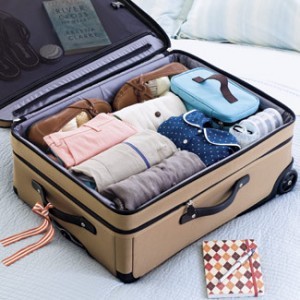
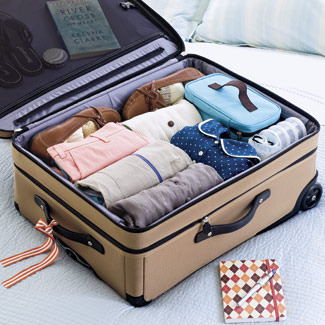
Many people get too excited about their trip, especially if they are going to a beautiful place to spend their vacation there. They often forget to bring some important things, but they do bring all kinds of unnecessary stuff. Before you start packing, make a list. This will be helpful. First, think about your destination. Bring only the clothes you will wear. Do not pack like you’re moving for good! You probably won’t even have the time to wear all those outfits. More baggage means more worries. You should really pack only what’s necessary.
 Travel Documents
When packing your travel documents, always have a set of copies stored in a separate section of your bag. You should have several copies, including digital copies of your passport, visa, credit cards, and other important documents. Store these e-copies in your e-mail account. If you lose some of your documents, you will still have them in your e-mail, and you will be able to access the documents, no matter where you are.
The following items are necessary. Make sure you keep them safely in your carry-on luggage:
• Passport
• Visa
• Travel tickets
• Copy of health / travel insurance
• Hotel reservation details
• Credit cards, cash
• Driver’s license
• List of important phone numbers, addresses and emails
• Traveler’s checks
• Prescriptions for medications
Other things you will need include:
• Eyeglasses and case (if you wear glasses)
• Contact lens and contact lens solution (if you wear contact lens)
• Sunglasses
• Insect repellent
• Camera, cords, charger, rechargeable batteries, spare batteries, adaptors, film roll / memory card (if you use a digital camera)
• Laptop, cords, battery (you should carry your laptop only if you really need it!)
• CDs / DVDs
• A pocket dictionary (if you are traveling to a place where English is not very popular, it will be wise to familiarize yourself with a few commonly used phrases / words.
• Guide books / city maps
• Cell phone and charger
• Portable umbrella / raincoat
• Travel clock with alarm
• Spare zip lock bags
• Small and compact flashlight
• Reading material for travel
Toiletry Items
• Toothbrush
• Dental floss
• Comb / hairbrush
• Soap
• Shampoo and conditioner
• Deodorant and perfume
• Moisturizer
• Lip balm
• Small mirror
• Nail clipper and nail file
• Sunscreen
• Talcum powder
• Shaving cream, razor, spare razor blades
• Cologne
• Small towel / washcloth / tissues
Keep in mind you cannot just bring all these items in their original packs – especially not in your carry-on luggage. Learn more about restricted and prohibited items.
If you use prescription medications, make a list and pack them, along with prescriptions from your doctor. Apart from these, you can bring some over-the-counter medications, in their original packs. Have a small first aid kit packed as well.